Lord Taylor of Warwick
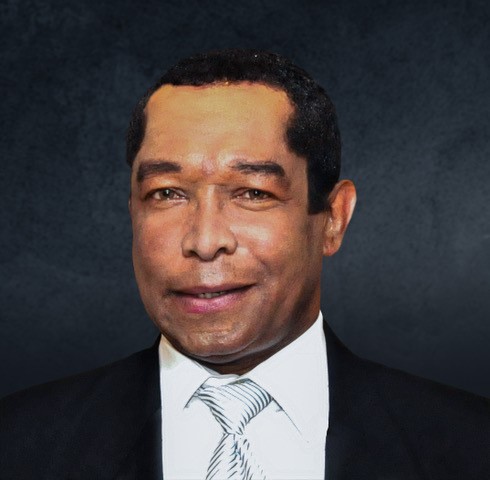
"Strive to be not only the best in the world, but the best for the world."

The Only Black Lord In England's House of Lords 1996 ╼╸ The First Black UK Conservative Peer The Most Senior Black Peer Spoken at The White House, The United Nations, and The Kremlin
The First Black UK Government Special Advisor ╼╸Advising the Home Secretary and the Ministers of State
The First Black VP British Board of Film Classification ╼╸ 1 of Only 2 Black TV Host's in Britain at one time Presenter of a myriad of screen and actors’ awards in Hollywood
The First Black UK University Chancellor Bournemouth University
The First Black Lord To Open A Hospital In His Ancestral Nation, that of Jamaica
Taylor Talks 'A sample of Lord Taylor Speaking Around The World.'
Lord Taylor is an International leader who not only informs, but inspires, having been the First Black Lord to have spoken at The White House, United Nations, and the Kremlin.
He became the only Black Baron in the world in 1996… amongst Dukes, Duchesses, Earls, Viscounts, Bishops and Law Lords. Lord Taylor was the first Black University Chancellor in British history. He was the first Conservative Parliamentary candidate in British history, and also became the first black Conservative Lord since the 14th Century, when Parliament began.
Lord Taylor of Warwick 'A Brief Personal History Review Compilation'
The First Black Lord to have spoken at The White House, United Nations, and the Kremlin. And also the First Black British University Chancellor. These achievements in themselves offer strong argument for diversity, when sadly even today only 1% of top Board positions in Britain are held by Black and Ethnic minorities.
Lord Taylor of Warwick On Fox News ' 2005 London Terrorist Attack 7/7'
Lord Taylor of Warwick’s Peace-Making statements are just as powerfully current and profound today as they were during the London Terror Attack of over a decade ago!
Lord Taylor of Warwick 'Television Personality'
Being a Judge, one would never have guessed that this English Lord, who serves in the highest levels of government, would also be an experienced television and radio host for over two decades, presenting many shows, mainly for the BBC.
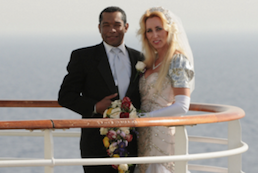
Lord Taylor of Warwick, First Black Baron, Finds Inspiration from God and God-Orchestrated Marriage.
“When the Queen appointed him as a Lord in 1996, John Taylor became the first black Conservative Lord since the 14th Century, when Parliament began. Lord Taylor again made history with his real-life romance between two people and two nations. It is the true story of the first American in 110 years to marry a serving Baron of Britain’s House of Lords….”
Read More
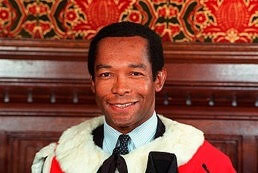
Balfour Declaration Centenary
“In June last year, I was privileged to be invited as a guest speaker at the Israeli embassy in London. I spoke about the special role that Israel has in the world, a true democracy in the Middle East…”
Read More
Lord Taylor of Warwick reacts to Prince Harry and Meghan's Oprah Interview
Lord Taylor joined Fox News to discuss the reaction in the United Kingdom to Prince Harry and Meghan's Oprah Interview.
British Voters Prepare To Make Historic "Brexit" Decision
Rt. Hon. Lord Taylor of Warwick speaking on FOX News.Through the years, as far back as 2005 when Britain was facing the 7/7 London bombings, Baron Taylor was the only member of the UK Parliament interviewed by Fox News. Over a decade later you’ll still find Lord Taylor on Fox News discussing public policy and current issues impacting the world, such as Brexit and Terrorism.
Lord Taylor of Warwick affirms the UK/US positive relationship
Rt. Hon. Lord Taylor of Warwick speaking on FOX News. Through the years, as far back as 2005 when Britain was facing the 7/7 London bombings, Baron Taylor was the only member of the UK Parliament interviewed by Fox News. Over a decade later you’ll still find Lord Taylor on Fox News discussing public policy and current issues impacting the world, such as Brexit and Terrorism.
Published Articles by Lord Taylor of Warwick

Will It Be Oilright?

Winning The Race

War Hoarse

The Terror Tax
The Empire Strikes Back

Skills Pay The Bills

Is UKIP Half-Baked?

Seek and Ye Shall Fund
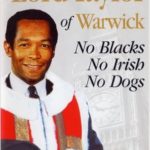 The Inspiring Story of Lord Taylor of Warwick
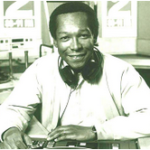 Media Personality for two Decades John Taylor
 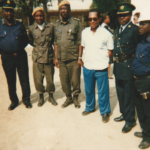 Lord Taylor of Warwick Peacemaking
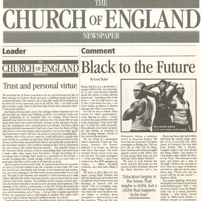 Lord taylor of Warwick Author & Journalist
 Delegation to America Rt. Hon. Baron Taylor of Warwick
 Lord and Lady Taylor of Warwick
 Baron Taylor of Warwick Leadership Mentor
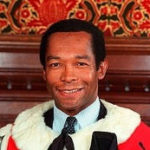 Lord John Taylor's Most Recent Speech
About Lord Taylor of Warwick
JJohn David Beckett Taylor, Baron Taylor of Warwick, is a member of the House of Lords in the Parliament of the United Kingdom. From humble beginnings, he is the son of Jamaican immigrants. John Taylor was brought up in the industrial heartland of Birmingham, England. In 1996 he became the only black peer amongst 1,700 Dukes, Duchesses, Earls, Viscounts, Bishops, Barons and Law Lords. He took the title The Right Honorable Lord Taylor of Warwick. At the time of his appointment he was the only black Lord and one of the youngest in the upper house. Lord Taylor was the First Black Government Special Advisor in Britain, advising the Home Secretary and Ministers of State. He went on to become the First Black conservative Peer. Lord John Taylor introduced and carried through the Criminal Evidence Amendment Act 1997, which established Britain’s first ever DNA Database. Baron Taylor was a district councilor, called to the bar as a Barrister-at-Law, and appointed by the Lord Chancellor as a judge. He established an International Leadership Academy, the Warwick Leadership Academy (formerly WLF) in 1997, mentoring future world business and political leaders from over 50 nations worldwide. He is listed as one of the 100 Great Black Britons and was the first Black Baron to have his portrait in the London National Portrait Gallery.
Lord Taylor is a member of the International Trade Council and is the first Black British Peer to have spoken at the White House, United Nations, and Kremlin. He speaks globally, in countries including Japan, China and Brazil.. Having been the First Black British Chancellor at Bournmouth University, he promotes greater diversity in society. Taylor has been a chairman and director of various companies in the UK and abroad. He is a consultant on Cybersecurity and Diversity. He has continued to dedicate himself for over two decades to promote the cause of Peacemaking, and humanitarian efforts. Lord John Taylor of Warwick is the First Black Baron to open a hospital in his ancestral nation.
He has worked in media as a radio and television presenter, having hosted several shows including BBC’s The John Taylor Show, Powerhouse, Crime Stalker, and Talk About. As a broadcaster his expertise spans from news to hosting a recent radio show, as The Soul Baron Lord Taylor of Warwick. He is an established author and journalist, having written articles for major newspapers and magazines. Currently he is writing a book on Brexit, including topics on Immigration and Diversity. Recently he was featured on US Fox TV News, speaking about Brexit and US/UK trade relations.
Lord Taylor continues to be involved in the widest range of public life, including the Vice-President of the British Board of Film Classification for a double term of ten years and is a Patron of several charities. He is a Church Elder and is Vice Chairman of the Parliamentary Group on Diaspora, Development and Migration. Recently Lord Taylor is involved in the Arts, being an officer of the APPG Dance Group supported by One Dance UK, the national body representing performing dancers. He was also a host of Parliament’s first ever fashion event, in which four of his daughters took part as models.